Multilingual IVR Recordings: How to Serve Callers Without Sounding Translated

2 min read

A language option buried three menus deep is not multilingual customer service.

Neither is a stiff Spanish prompt that sounds like someone Google translated the English script word for word and called it done.

If your business serves callers in more than one language, your phone system needs to act like it. Not as a courtesy. Not as a nice extra. As part of how people access your business.
Friction Starts at the First Prompt

When someone calls, they are trying to do something specific: book, buy, schedule, ask, confirm, cancel, pay, complain, refill, reserve, or reach the right person. If the first thing they hit is a language barrier, you have added friction before the conversation starts.

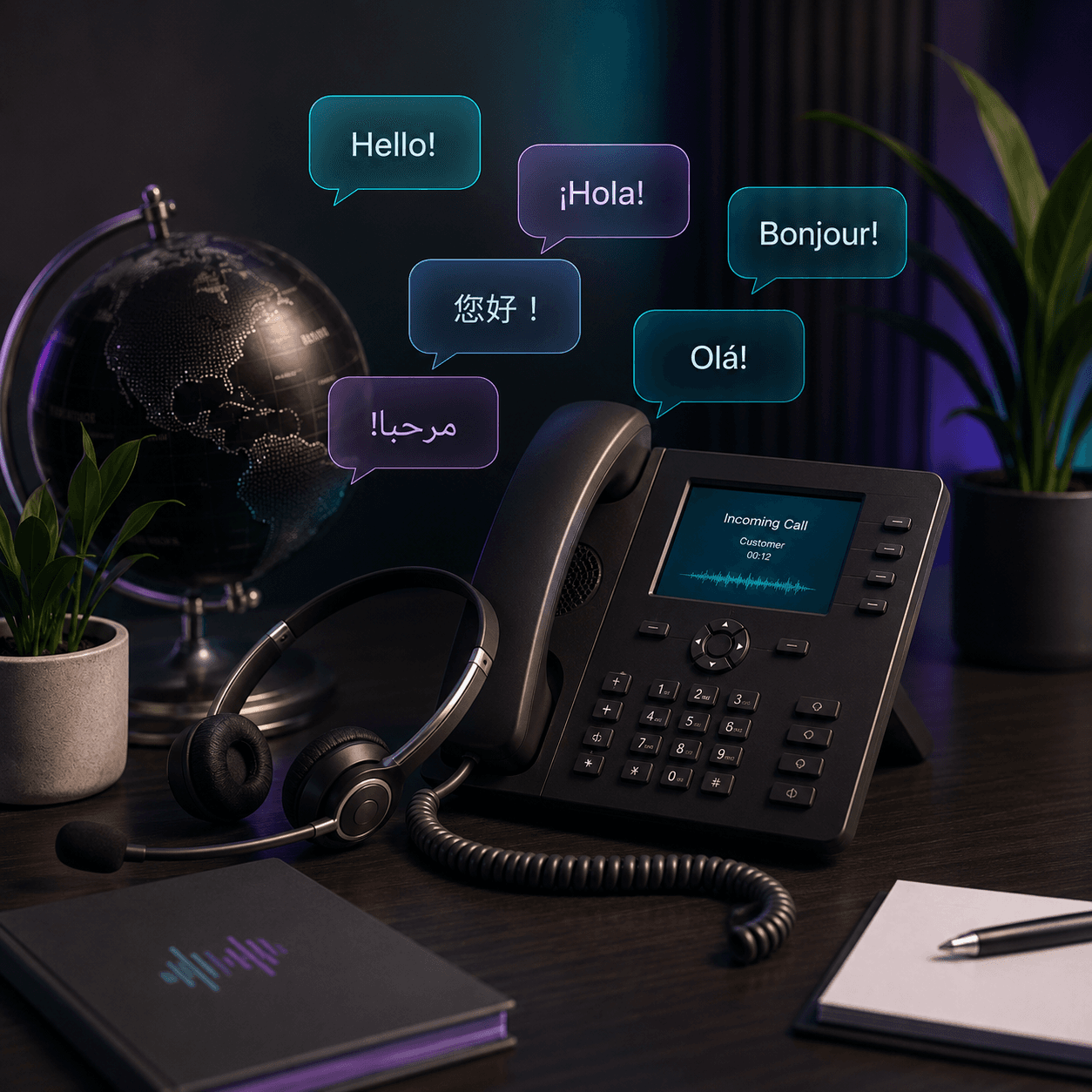
The U.S. is not a one-language market. AP’s 2025 Census-based reporting found that nearly 22% of U.S. residents age 5 and older speak a language other than English at home. Spanish is the most common language after English, but needs vary by region and customer base.

That makes multilingual IVR relevant for medical offices, law firms, home service companies, real estate groups, hospitality brands, retail businesses, schools, insurance offices, and any company serving a multilingual community.

The Business Case

The business case is simple: if callers cannot comfortably navigate your phone system, some will never make it to the person who can help them.

They may press the wrong option. Hang up. Call back repeatedly. Rely on a family member to interpret. Show up confused. Choose a competitor that made the process easier.

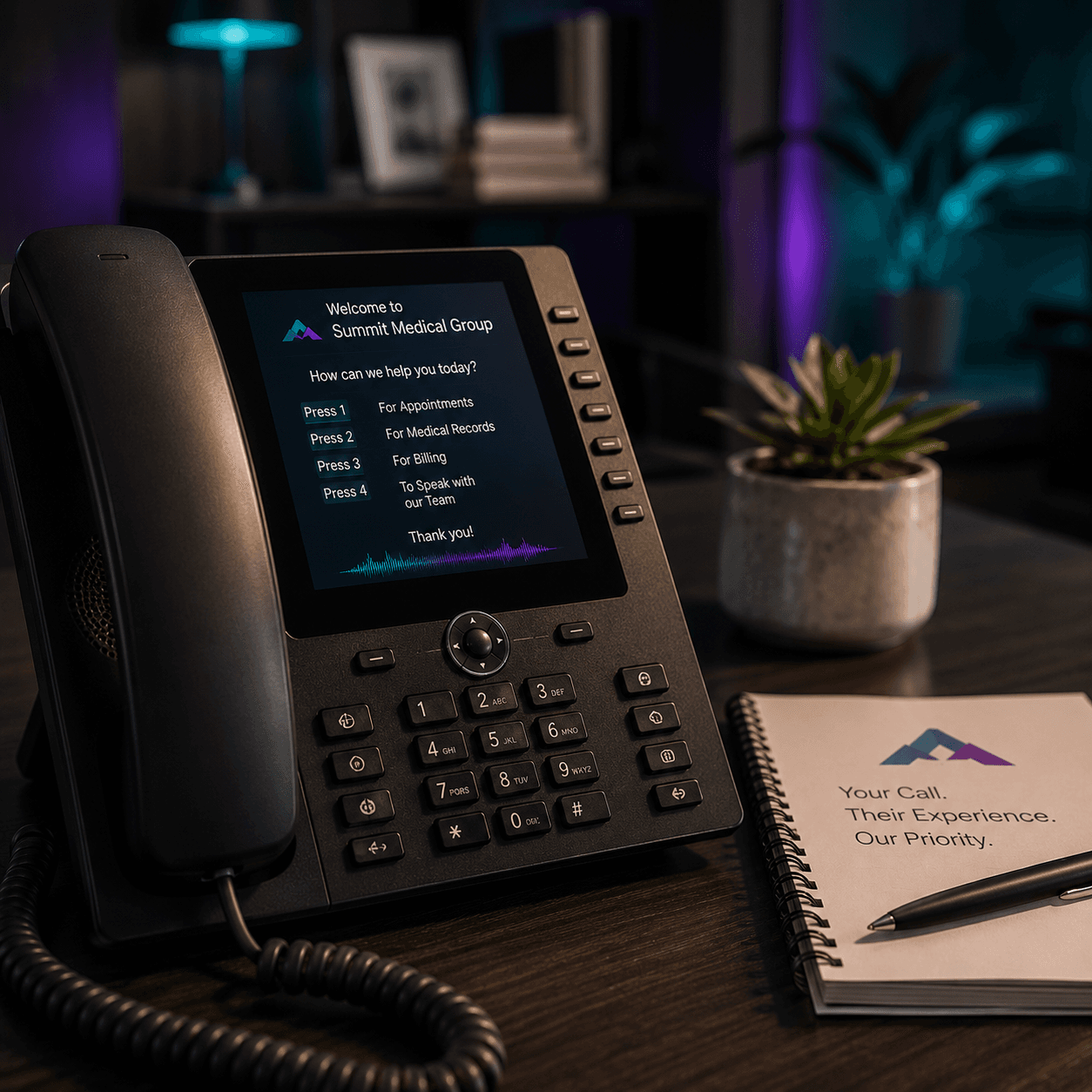
A good multilingual IVR system reduces that friction. It gives callers a clear language option early, routes them cleanly, keeps prompts simple, uses professional human voice talent, and matches the tone and production quality of the English version.

Callers Can Hear the Difference

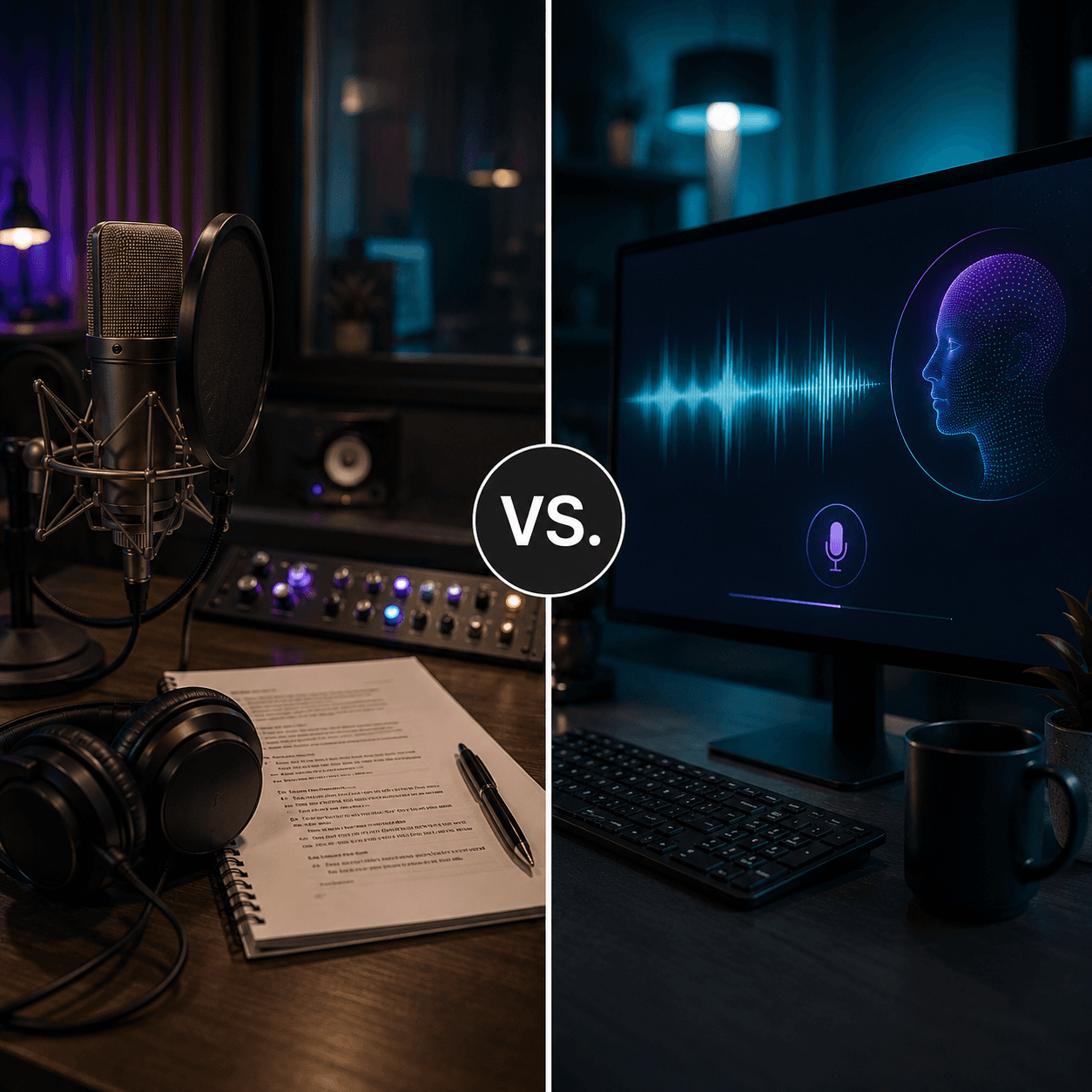
Callers can hear when the Spanish IVR recording sounds rushed. They can hear when phrasing feels unnatural. They can hear when the voice sounds synthetic or disconnected from the brand. They can hear when English got polish and the other language got leftovers.

Technically translated is not the same as actually understood.

According to the U.S. Census Bureau, nearly 68 million people in the U.S. speak a language other than English at home — and Spanish is by far the most common, representing 61.1% of non-English home language use. For businesses, bilingual communication is not a niche courtesy. It is a practical way to reduce friction, build trust, and help more customers move forward with confidence.

Multilingual voiceover can support bilingual IVR prompts, Spanish phone greetings, VoIP greetings, voicemail messages, on-hold messaging, after-hours prompts, and department-specific routing.

The goal is not a huge phone tree in every language. The goal is enough clarity to move forward without guessing.

How B.A. Audio Branding Can Help

B.A. Audio Branding provides multilingual IVR recordings, bilingual phone greetings, Spanish voice prompts, VoIP greetings, voicemail messages, and on-hold messaging with professional human voice talent. If your callers speak more than one language, your phone system should too.